
3 Steps to Master Python
Newbie Programmers Must Read: 3 Steps to Avoid Common Pitfalls

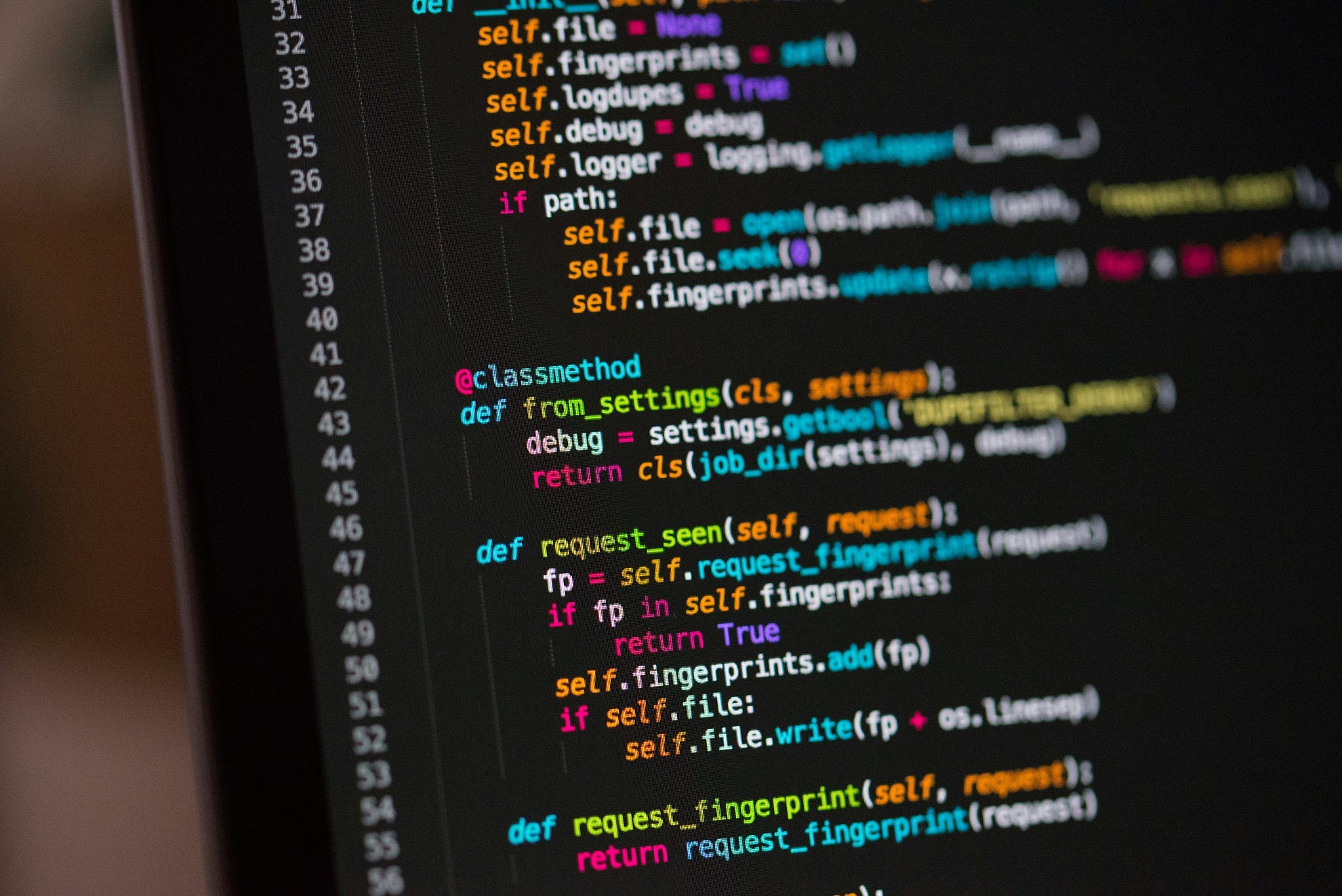
At Meta, the main language is Hack (an evolved version of PHP). However, at least 95 out of 100 newly hired engineers have never used Hack or PHP before. But they adapt quickly, and within one or two weeks, they’re programming without any stress.
Learn Python from an engineering perspective.
Learning languages, you’ll see they’re alike. They all tell computers what to do, so the rules are pretty much the same.
If Python is your first programming language, don’t worry. Its syntax is concise and resembles English, making it beginner-friendly.
From my experience, here are 3 steps to learn programming. Use them to improve, no matter your start.
Step One: Practice Diligently
Languages range from basic to advanced like web work. No book knows it all. Practice after basics. Early practice is key. With Python, start practicing once you get the basics like variables, types, and loops.
You can try writing a simple calculator as your first hands-on project.
During this process, you may encounter problems. It’s advisable to search for solutions on Stack Overflow, learning from others’ excellent code and approaches.
If you encounter a problem you can’t solve, you can seek help in the comment section.
Step Two: Code Standards
Speedy coding is great, but standards matter too. New coders might skip tests, but not functions or long, messy code lines. Fewer comments are fine but don’t mix code lines. It makes code hard to read and fix.
For example, let’s look at this line of code:
v.A(param1, param2, param3).B(param4, param5).C(param6, param7).D()Clearly, this isn’t a good practice. It should be split into multiple lines:
v.A(param1, param2, param3) \ # '\' indicates line break
.B(param4, param5) \
.C(param6, param7) \
.D()
Name your variables and functions clearly, not just v1, f1, etc. This keeps code easy to get and fix. Good coders always follow the rules. At big places like Meta, people check each other’s code. If names are wrong, they fix them. This keeps all the code really good.
Step Three: Development Experience
To master a language like Python, and work on big projects. Real coding lets you learn more. Take search engines — do you get how they work on the inside? It’s about making classes and functions. Think about what’s needed, how complex it is, and how fast and clear it should be. And once it’s live, keep making it better.
You can also participate in open-source projects and learn from experts worldwide.
Conclusion
Today, I shared with you some methods and tips for learning Python. Actually, these points aren’t just for Python; they can also help you learn any other computer programming language.


