
Efficiently Creating Tools for Agents
Master AI agent tools: clear specs, clean outputs, smart limits & error handling for peak performance

“Top Python Libraries” Publication 400 Subscriptions 20% Discount Offer Link.
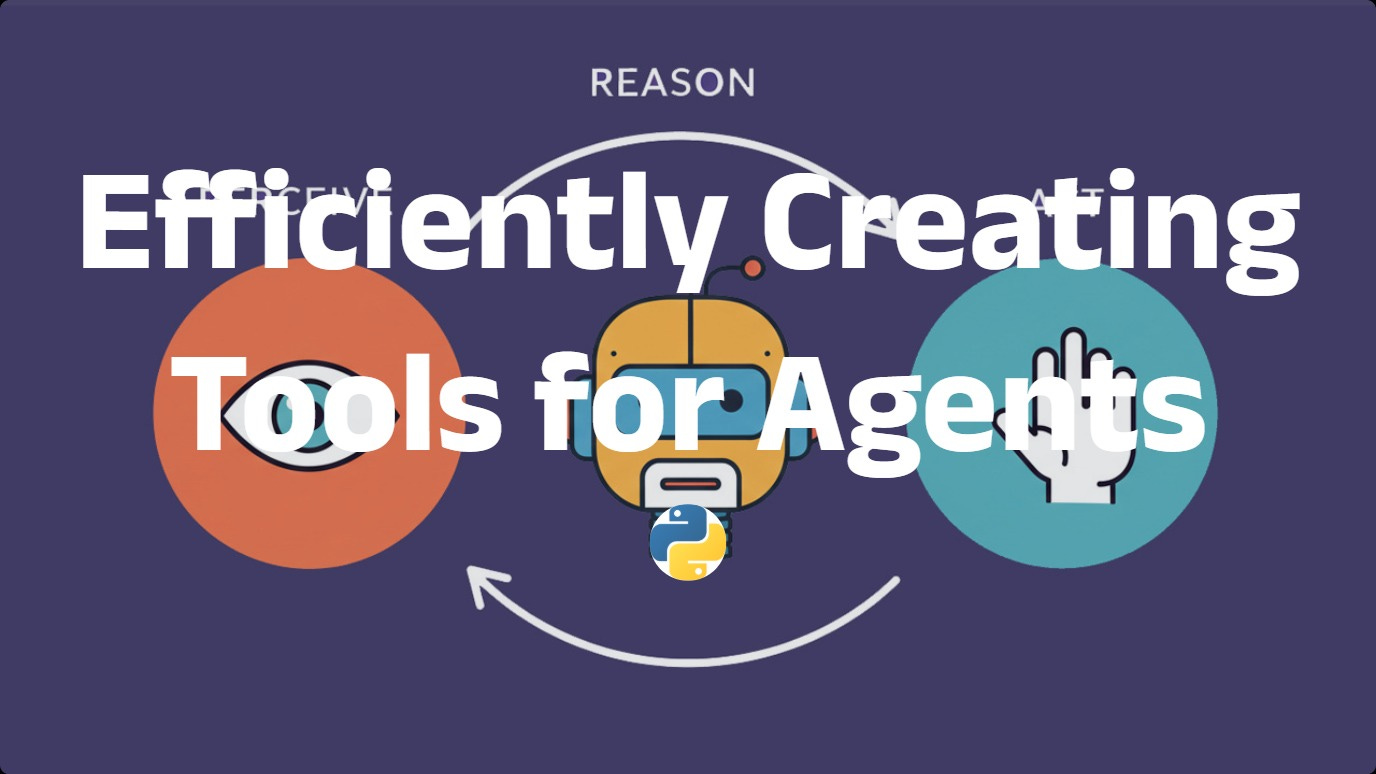
AI agents are programs composed of a series of LLM calls. These agents typically receive tasks from users and utilize tools to efficiently solve those tasks. Tools are essentially functions that agents can call. However, building an agent goes far beyond simply defining a set of tools and stuffing them into the agent’s context. You need to carefully consider how tools are defined and what contextual information you provide to the agent.
The goal of this article is to highlight key areas of focus when building tools for AI agents. Proper tools are crucial for high-performance agents, so I’ll delve deeper into agentic tool usage (where “agentic” refers to agent-driven workflows). I’ll cover topics such as good tool definitions and descriptions, as well as how to optimally enable your agent to access tools.
Why Tools Matter for AI Agents
The availability of tools largely determines agent effectiveness. Without tools, LLMs cannot perform operations like internet searches or looking up information in database tables. Therefore, how you define and use agentic tools is critical to agent performance.
When defining tools for agents, there are multiple considerations. Based on my experience working with agents, many of these considerations also apply to human tool usage scenarios, such as:
